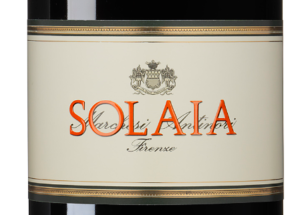
Description
Climate
The 2018 growing season in Chianti Classico began with relatively normal winter weather both in temperatures and precipitation levels. Despite these climatic conditions, the vines experienced budbreak about one week earlier than the area’s seasonal averages. Spring brought frequent rain showers and lower than average temperatures, especially during the month of May. Relatively hot temperatures and dry conditions persisted throughout the months of June and July but the vineyards were not affected by any extreme heat events. Scattered rainfall in the month of August and a lengthy period of dry, breezy weather in September and October allowed the grapes to progress to optimal maturity with good sugar content and excellent phenolic ripeness.The grape harvest began in late September with Cabernet Franc, continued with Sangiovese and was completed on October 10th with Cabernet Sauvignon. Total annual rainfall: 845.9 mm Average temperature April 1st – October 12th: 20.4 °C (68.7 °F) Rainfall April 1st – October 12th: 286 mm
VINIFICATION
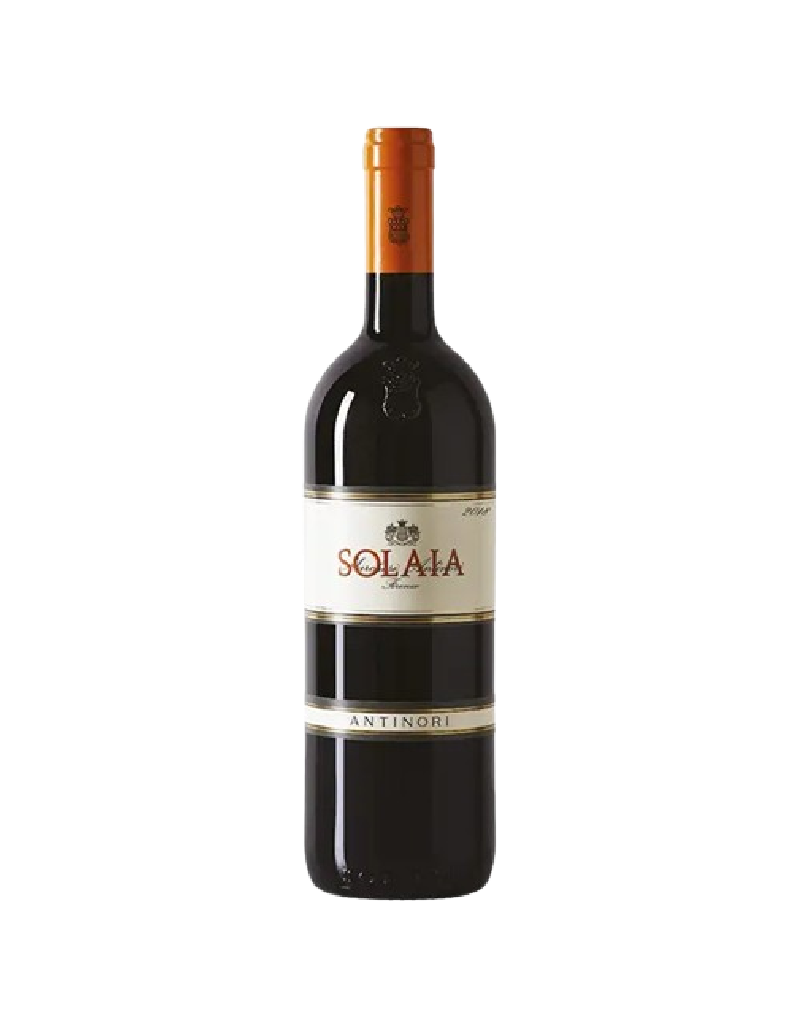
The utmost care and attention were given both in the vineyards during harvesting operations and in the cellar. Grapes were destemmed, meticulously selected on sorting tables, delicately crushed then transferred by gravity flow into vats. It was imperative that only the finest berries reached the 60 Hl truncated cone shaped fermentation tanks. During fermentation and maceration on the skins, it was essential to maintain the right balance between fruit and quality of the tannins to best express the sweetness, fragrance, identity, and character of Solaia. Once the wine and skins were separated, malolactic fermentation took place in barriques that enhanced the complexity and pleasantness of the wine. Aging took place in new French oak barrels for approximately 18 months. The various lots were aged separately then blended and reintroduced into barrels to complete the aging process.
Historical Data
Solaia is a 50 acre (20 hectare) vineyard with a southwestern exposure located at an altitude between 1150 and 1325 feet (350-400 meters) above sea level and with a stony soil of “alberese” (hard limestone) and “galestro” (flaky calcareous clay) rock. The vineyard is located at the Tignanello estate. The Antinori family produced this wine for the first time in the year 1978, and the initial blend was 80% Cabernet Sauvignon, and 20% Cabernet Franc, a formula repeated in 1979 as well. In the following years, 20% of Sangiovese was introduced and certain adjustments were also made in the rapport between Cabernet Sauvignon and Cabernet Franc until the current blend was settled upon. Solaia is produced only in exceptional vintage, and was not produced in 1980, 1981, 1983, 1984, and 1992.